
Jane Austen · Pride and Prejudice
Pride and Prejudice Chapter 31 summary
- Reading time
- About 6 min
- With the voice
- 9 min
- Length
- 1,563 words
- In the book
- 31 of 61 chapters
Summary
What happens in Chapter 31
Spoilers for this chapter only.
On Easter evening, Elizabeth and the party from the parsonage visit Rosings, where Colonel Fitzwilliam sits beside her and draws her into conversation. When Lady Catherine hears that they are discussing music, she gives advice about practising and offers Elizabeth the use of the pianoforte in Mrs. Jenkinson’s room. After coffee, Elizabeth plays for the colonel, and Darcy comes over to watch her. Elizabeth teases him about dancing so little at a ball in Hertfordshire and suggests that talking to strangers, like playing an instrument, takes practice. Darcy compliments her playing before Lady Catherine interrupts to judge her performance and praise Anne’s taste. Elizabeth watches in vain for a sign of affection from Darcy towards Anne and continues playing at the gentlemen’s request until the carriage is ready.
Listen and read · Chapter 31 · 2 min
“Colonel Fitzwilliam’s manners were very much admired at the parsonage, and the ladies all felt that he must add…”
The opening of Chapter 31, the way the Lightkeeper app reads it: one line of words past an amber letter, with the voice. Switch to Page to see the whole paragraph.
End of the opening
Chapter 31 goes on in the app.
The rest of the book waits in the app.
Text: Jane Austen. Tap the ribbon to pause.
Who’s who
Characters in Chapter 31
In the order they are named in this chapter.
-
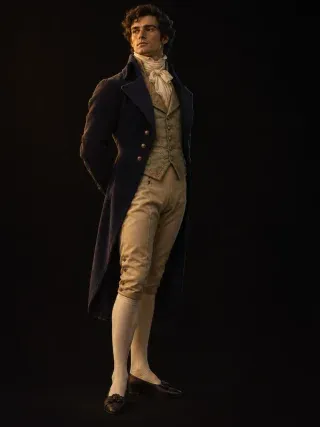
Mr. Darcy
The wealthy master of Pemberley is devoted to his sister and exacting in his choice of company. Elizabeth’s readiness to laugh at him makes her unexpectedly difficult to put out of mind.
-
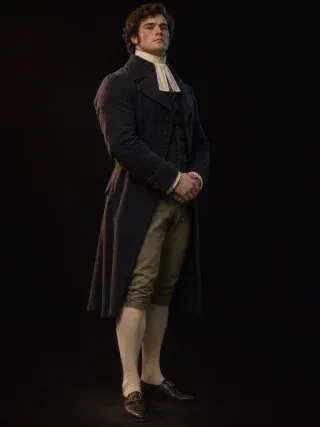
Mr. Collins
The clergyman who stands to inherit Longbourn hopes to oblige his patroness, Lady Catherine de Bourgh, by marrying. Choosing a Bennet daughter would also allow him to feel generous towards the family whose home he expects to possess.
-
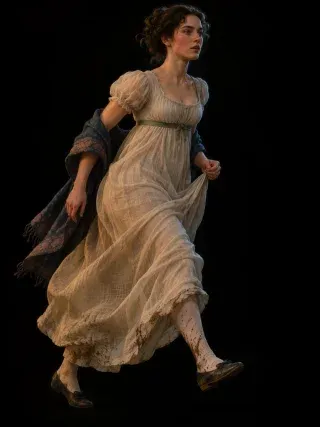
Elizabeth Bennet
The second Bennet daughter delights in a good walk, an absurdity well observed, and the freedom to speak her mind. She wants a husband she can respect and trusts herself to recognise one.
-

Charles Bingley
The new tenant of Netherfield enters a ballroom expecting to like everybody and soon finds a favourite in Jane. He has great confidence in Darcy’s judgment, especially when he doubts his own.
Lines worth keeping
Pride and Prejudice Chapter 31 quotes
There are few people in England, I suppose, who have more true enjoyment of music than myself, or a better natural taste. If I had ever learnt, I should have been a great proficient.
My courage always rises with every attempt to intimidate me.”
“My fingers,” said Elizabeth, “do not move over this instrument in the masterly manner which I see so many women’s do. They have not the same force or rapidity, and do not produce the same expression. But then I have always supposed it to be my own fault—because I would not take the trouble of practising.
Check yourself
Chapter 31 questions
-
What is it about Lady Catherine’s offer of a place to practise that embarrasses Darcy?
- She points out that Elizabeth would be out of everyone’s way there.
- She expects Elizabeth to give Anne lessons in return.
- She asks Elizabeth to play only when the family is away.
- She makes Elizabeth’s invitation depend on Georgiana’s approval.
Answer
A. She points out that Elizabeth would be out of everyone’s way there.
-
What fault does Elizabeth find with Darcy’s conduct at the Hertfordshire ball?
- He declined an introduction to a lady who needed a partner.
- He left the ball while his own party still wanted to dance.
- He danced very little while several ladies lacked partners.
- He kept one young lady dancing when she wanted to sit down.
Answer
C. He danced very little while several ladies lacked partners.
-
Why does Elizabeth bring up her own limitations at the pianoforte when Darcy describes his difficulty with strangers?
- To explain why she finds playing easier than making conversation.
- To suggest that ease in conversation might also come with practice.
- To suggest that both of them would benefit from a better teacher.
- To explain why an unfamiliar audience makes her lose confidence.
Answer
B. To suggest that ease in conversation might also come with practice.
Read all of Chapter 31 with the voice
The whole chapter and the rest of Pride and Prejudice wait in the Lightkeeper app, on iPhone and Android.