
Jane Austen · Pride and Prejudice
Pride and Prejudice Chapter 29 summary
- Reading time
- About 9 min
- With the voice
- 14 min
- Length
- 2,385 words
- In the book
- 29 of 61 chapters
Summary
What happens in Chapter 29
Spoilers for this chapter only.
Lady Catherine invites the whole party to dine at Rosings, and Mr. Collins spends much of the time before the visit preparing his guests. Charlotte makes the introductions, and at dinner Mr. Collins praises each dish, with Sir William following his lead. Afterwards Lady Catherine advises Charlotte on her household and questions Elizabeth about her family and education. Elizabeth defends her younger sisters’ right to go into society and gives Lady Catherine only an indirect answer about her age. After cards, the guests go home in Lady Catherine’s carriage. For Charlotte’s sake Elizabeth speaks more favourably of the visit than she feels, but Mr. Collins still finds her praise insufficient and supplies his own.
Listen and read · Chapter 29 · 2 min
“Mr. Collins’s triumph in consequence of this invitation was complete.”
The opening of Chapter 29, the way the Lightkeeper app reads it: one line of words past an amber letter, with the voice. Switch to Page to see the whole paragraph.
End of the opening
Chapter 29 goes on in the app.
The rest of the book waits in the app.
Text: Jane Austen. Tap the ribbon to pause.
Who’s who
Characters in Chapter 29
In the order they are named in this chapter.
-

Mr. Collins
The clergyman who stands to inherit Longbourn hopes to oblige his patroness, Lady Catherine de Bourgh, by marrying. Choosing a Bennet daughter would also allow him to feel generous towards the family whose home he expects to possess.
-
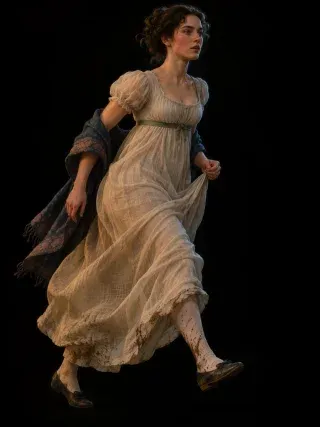
Elizabeth Bennet
The second Bennet daughter delights in a good walk, an absurdity well observed, and the freedom to speak her mind. She wants a husband she can respect and trusts herself to recognise one.
-

Mr. Wickham
A handsome militia officer with ties to Pemberley, he has a grievance against Darcy and an engaging way of confiding it. He wants Elizabeth’s good opinion and finds her quite disposed to give it.
-

Mr. Darcy
The wealthy master of Pemberley is devoted to his sister and exacting in his choice of company. Elizabeth’s readiness to laugh at him makes her unexpectedly difficult to put out of mind.
-
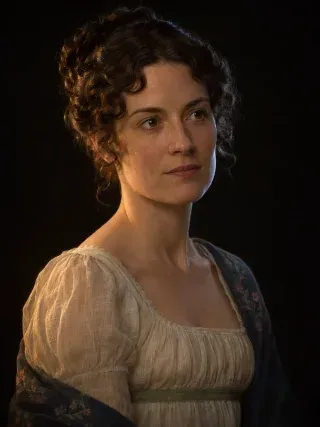
Charlotte Lucas
Elizabeth’s closest friend takes a practical view of what a woman with little fortune can expect from marriage. A household of her own seems to her a happiness well worth securing.
Lines worth keeping
Pride and Prejudice Chapter 29 quotes
She had heard nothing of Lady Catherine that spoke her awful from any extraordinary talents or miraculous virtue, and the mere stateliness of money and rank, she thought she could witness without trepidation.
Elizabeth found that nothing was beneath this great Lady’s attention, which could furnish her with an occasion of dictating to others.
The last born has as good a right to the pleasures of youth, as the first.
Check yourself
Chapter 29 questions
-
Why is Mr. Collins so pleased that the whole party has been invited to dine at Rosings?
- He can show his guests how grandly his patroness lives and how well she treats him.
- He can give Charlotte the chance to entertain her family in a larger house.
- He can ask his patroness to take an interest in his cousin’s education.
- He can repay Sir William for introducing him to people at Court.
Answer
A. He can show his guests how grandly his patroness lives and how well she treats him.
-
How does Elizabeth describe the education she and her sisters received?
- They could read and have lessons, but each was free to leave her talents uncultivated.
- A succession of governesses taught them until the eldest entered society.
- They went to London each spring for lessons in music and drawing.
- Their mother taught them herself and supervised their reading each day.
Answer
A. They could read and have lessons, but each was free to leave her talents uncultivated.
-
Why does Elizabeth defend her younger sisters’ right to enter society?
- Their chance to enjoy their youth should not depend on when an elder sister marries.
- Attending the same gatherings lets the elder sisters supervise the younger ones.
- Their education at home has already prepared them for every social obligation.
- Entering society early gives each sister more time to find a suitable husband.
Answer
A. Their chance to enjoy their youth should not depend on when an elder sister marries.
Read all of Chapter 29 with the voice
The whole chapter and the rest of Pride and Prejudice wait in the Lightkeeper app, on iPhone and Android.