
Jane Austen · Pride and Prejudice
Pride and Prejudice Chapter 13 summary
- Reading time
- About 7 min
- With the voice
- 9 min
- Length
- 1,696 words
- In the book
- 13 of 61 chapters
Summary
What happens in Chapter 13
Spoilers for this chapter only.
At breakfast, Mr. Bennet announces a visit from his cousin Mr. Collins, who stands to inherit Longbourn when Mr. Bennet dies. He reads aloud a letter in which Mr. Collins proposes to end their fathers’ quarrel with the family and offers to make amends to the Bennet daughters without saying how. The offer softens Mrs. Bennet, while Elizabeth and her father remark on the writer’s pomposity and his deference to Lady Catherine de Bourgh. Mr. Collins arrives, praises the daughters’ beauty and hints that he may have more to say once they know each other better. At dinner he asks which daughter deserves the credit for the cooking, and Mrs. Bennet tells him they employ a cook. He spends about a quarter of an hour apologising.
Listen and read · Chapter 13 · 2 min
““I hope, my dear,” said Mr. Bennet to his wife, as they were at breakfast the next morning, “that you have ordered a…”
The opening of Chapter 13, the way the Lightkeeper app reads it: one line of words past an amber letter, with the voice. Switch to Page to see the whole paragraph.
End of the opening
Chapter 13 goes on in the app.
You caught 0 gems. The rest of the book waits in the app.
Text: Jane Austen. Tap the ribbon to pause; tap while a line shimmers to catch it.
Who’s who
Characters in Chapter 13
In the order they are named in this chapter.
-
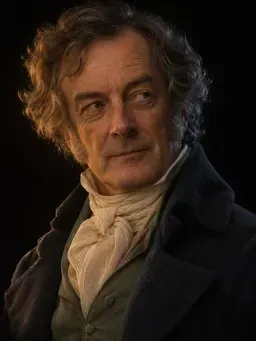
Mr. Bennet
Elizabeth’s father prizes her conversation and the quiet of his library. A dry remark is his favourite means of managing a household that frequently needs more from him.
-
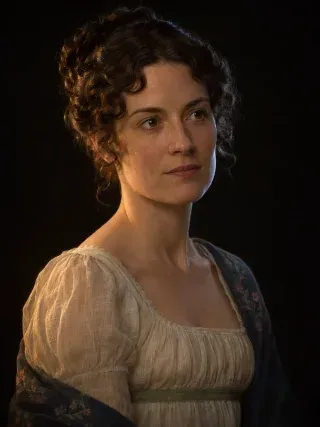
Charlotte Lucas
Elizabeth’s closest friend takes a practical view of what a woman with little fortune can expect from marriage. A household of her own seems to her a happiness well worth securing.
-
Mrs. Bennet
With five daughters and an estate that must pass to a male cousin, she regards every eligible newcomer as a matter of family business. Keeping a promising courtship to herself is beyond her powers.
-

Charles Bingley
The new tenant of Netherfield enters a ballroom expecting to like everybody and soon finds a favourite in Jane. He has great confidence in Darcy’s judgment, especially when he doubts his own.
-
Jane Bennet
The eldest Bennet daughter is slow to suspect an unkind motive and almost as slow to betray a hope of her own. Mr. Bingley’s open delight in her company gives her particular reason to look forward to the next dance.
-
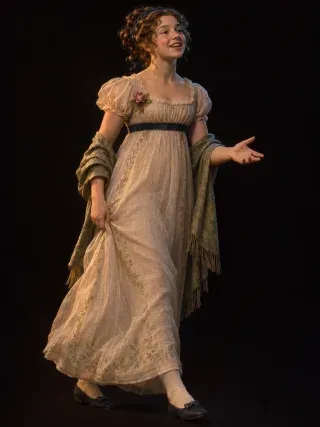
Lydia Bennet
The youngest Bennet is happiest wherever there are officers, dancing, and something to tell afterwards. She longs for the distinction of being grown up and sees little occasion for the restraints that come with it.
-
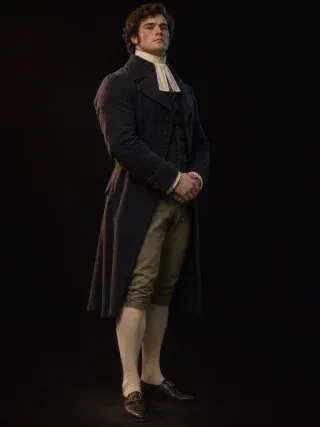
Mr. Collins
The clergyman who stands to inherit Longbourn hopes to oblige his patroness, Lady Catherine de Bourgh, by marrying. Choosing a Bennet daughter would also allow him to feel generous towards the family whose home he expects to possess.
First named here
-
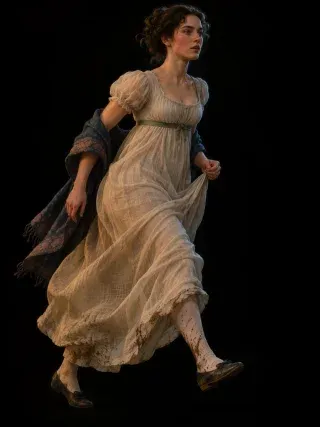
Elizabeth Bennet
The second Bennet daughter delights in a good walk, an absurdity well observed, and the freedom to speak her mind. She wants a husband she can respect and trusts herself to recognise one.
Lines worth keeping
Pride and Prejudice Chapter 13 quotes
It is from my cousin, Mr. Collins, who, when I am dead, may turn you all out of this house as soon as he pleases.”
There is a mixture of servility and self-importance in his letter, which promises well.
The hall, the dining-room, and all its furniture were examined and praised; and his commendation of everything would have touched Mrs. Bennet’s heart, but for the mortifying supposition of his viewing it all as his own future property.
Check yourself
Chapter 13 questions
-
Why does the announcement of Mr. Collins’s visit upset Mrs. Bennet?
- He has asked her husband to settle an old debt between their families.
- She fears his arrival will prevent Mr. Bingley from calling on Jane.
- He stands to inherit the house where she and her daughters live.
- She believes he expects one of her daughters to keep house for him.
Answer
C. He stands to inherit the house where she and her daughters live.
-
What does Jane find creditable in Mr. Collins’s letter?
- His loyalty to his father throughout the quarrel between the families.
- His wish to make amends to the daughters for what they stand to lose.
- His care in arranging for another clergyman to take his Sunday duty.
- His gratitude to the patron who secured his position in the church.
Answer
B. His wish to make amends to the daughters for what they stand to lose.
-
Why does Mrs. Bennet answer sharply when Mr. Collins praises the dinner?
- He asks about the cost of the dinner as though he already owns the estate.
- He compares her table with Lady Catherine’s and finds the meal rather plain.
- He assumes one of her daughters cooked a meal the family employs a cook to prepare.
- He singles out one daughter for praise when all five helped to prepare the meal.
Answer
C. He assumes one of her daughters cooked a meal the family employs a cook to prepare.
Read all of Chapter 13 with the voice
The whole chapter and the rest of Pride and Prejudice wait in the Lightkeeper app, on iPhone and Android.